
Who Looks After Biodiversity Net Gain Habitats After Construction?
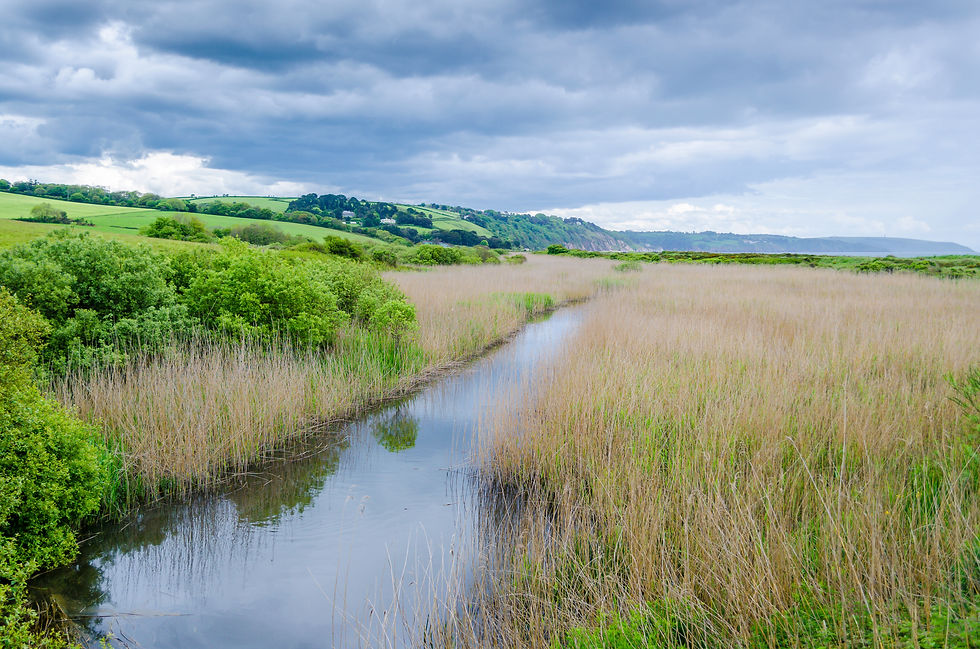
A landscape drawing can show where new habitats will be created. It does not, by itself, explain who will manage them once the construction team has left.
For developers and landowners, that gap can create uncertainty over budgets, maintenance contracts and site handover. Biodiversity proposals need an achievable management approach as well as a design.
For projects subject to mandatory Biodiversity Net Gain in England, long-term responsibilities should be considered while the proposals are being developed. Other UK nations have different policy and legal frameworks.
Who Is Responsible for Biodiversity Net Gain Maintenance?
There is no single organisation responsible for maintaining every BNG site.
Responsibility depends on the arrangements secured for the project. Check the relevant planning documents and legal agreements to establish who must deliver, manage and monitor the habitats, including what happens if the land changes hands.
England's BNG framework includes a minimum 30-year management period for off-site gains and significant on-site habitat enhancements. A habitat management and monitoring plan can set out the practical approach but does not replace the legal agreement.
Separate the Main Responsibilities
“Maintenance” can mean different things to different members of the project team.
The organisation paying for the work may be different from the contractor carrying it out. The ecologist checking habitat condition may have a separate appointment again.
A useful handover should therefore distinguish:
Who holds the relevant obligations.
Who commissions and funds the work.
Who carries out practical management.
Who undertakes ecological monitoring.
Who receives reports and coordinates any response.
Put named roles and current contact details against these functions. This helps prevent a management task being overlooked because several parties assume someone else is handling it.
Does the Maintenance Contract Match the Habitat Proposal?
Review the grounds maintenance specification against the ecological objectives.
For example, a contract focused on keeping every grassed area uniformly short may not reflect the intentions for an area designed as meadow habitat. The practical specification should make those differences clear to the people undertaking the work.
Ask whether plans, schedules and contractor instructions describe the same outcome. Include access arrangements and identify any areas that need a distinct approach.
This coordination is particularly valuable where the development includes both conventional amenity landscaping and habitat creation.
Budget for More Than Installation
Planting and establishment costs are only part of the financial picture.
When comparing management options, ask what the proposed budget covers and which items remain separate. Consider routine tasks, ecological inspections, reporting and how unexpected issues will be addressed.
Clarify the assumptions behind quotations. A low annual figure may be difficult to assess if the frequency of visits, reporting requirements or responsibility for remedial work is unclear.
The aim is a management arrangement that the responsible parties understand and can deliver over time.

What Should Be Ready at Handover?
Use handover to bring the relevant information together, rather than relying on documents held separately by different consultants.
Prepare a pack containing the approved habitat plans, applicable management requirements, responsibility details and the records needed to understand what has been installed.
Record outstanding tasks and their owners. If habitat works continue after the wider development is handed over, explain how access and coordination will work.
The receiving organisation should be able to identify what needs doing next without reconstructing the project history.
Monitoring Should Inform Management Decisions
A site can look tidy while still failing to develop as intended.
Ecological monitoring should therefore be linked to the habitat objectives and an agreed process for reviewing results. The management team needs to know how recommendations will be considered and who can commission the response.
When appointing contractors or changing management arrangements, check that the monitoring information will continue to reach the people responsible for practical work.
Keeping that connection clear helps turn a plan into ongoing management.
Plan Habitat Management With Elite Ecology
Elite Ecology supports clients with Biodiversity Net Gain assessments, habitat creation and land and wildlife management plans.
If you are developing habitat proposals or preparing for handover, we can help you consider the ecological management requirements alongside the wider project.


Comments