
What Ecological Surveys Are Required for Planning Permission?
Planning permission is about more than the design of a development. Local Planning Authorities (LPAs) also need to understand how a proposed project could affect the surrounding environment, protected habitats and wildlife. As a result, many planning applications require ecological surveys before they can be validated or approved.
The type of survey required depends on your site's location, existing habitats and the scope of the proposed development. Identifying these requirements early can help avoid unnecessary delays, additional costs and requests for further information from the planning authority.

Why Are Ecological Surveys Needed?
Ecological surveys identify habitats, protected species and environmental constraints that could be affected by a development.
Local Planning Authorities have a legal duty to consider biodiversity when determining planning applications. Ecological information allows planning officers to make informed decisions and ensures developments comply with UK wildlife legislation and planning policy.
Without the appropriate surveys, planning applications may be delayed, refused or require additional ecological work before they can proceed.
Preliminary Ecological Appraisal (PEA)
For many developments, the first survey required is a Preliminary Ecological Appraisal (PEA).
A PEA provides an initial assessment of the site's ecological value and identifies whether protected species or important habitats are likely to be present.
During a site survey, the PEA will include:
Assess habitats across the site.
Identify ecological constraints.
Look for evidence of protected species.
Assess surrounding habitats.
Recommend whether further surveys are required.
Provide mitigation recommendations where appropriate.
In many cases, a PEA confirms that no additional ecological surveys are necessary.
Where further investigation is required, it creates a clear roadmap for the next steps.
Protected Species Surveys
If the PEA identifies suitable habitats for protected species, additional surveys may be required.
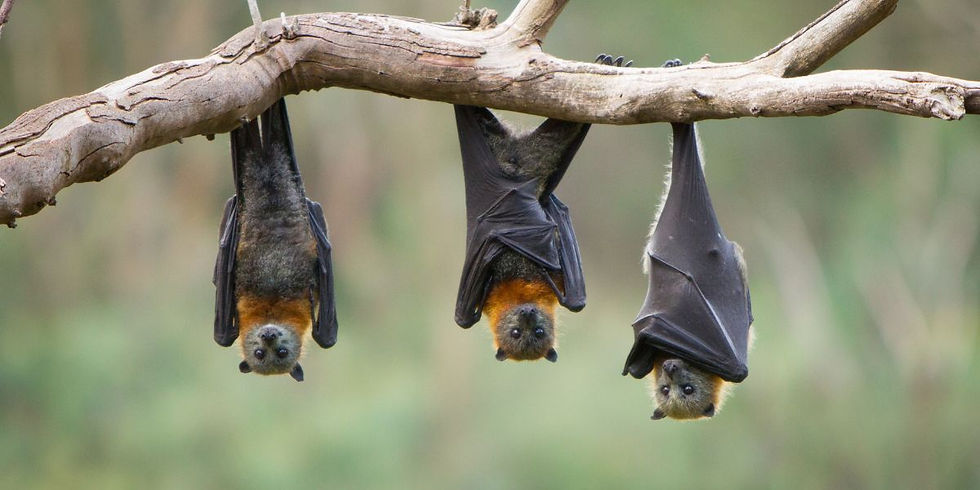
Bat surveys are commonly required when developments involve older buildings, barns, bridges or mature trees with features suitable for roosting bats. Depending on the findings, surveys may include daytime inspections, emergence surveys or activity surveys during the appropriate survey season.
Great crested newts are one of the UK's most protected species. If ponds are present on or near a proposed development site, or suitable terrestrial habitat exists nearby, a Great Crested Newt Survey may be required. Surveys are carried out during the recognised survey season and help determine whether mitigation or licensing is necessary before development can begin.
Sites containing rough grassland, scrub, railway embankments or unmanaged vegetation may support reptiles such as slow worms, common lizards, grass snakes or adders. Reptile surveys determine whether these species are present and identify suitable mitigation measures where required.
Developments affecting rivers, streams, ditches or watercourses may require water vole surveys to establish whether this protected species is present.
Where development takes place close to rivers or larger watercourses, otter surveys may be necessary to identify resting sites, commuting routes or signs of activity.
Woodland, hedgerows and connected habitats can support hazel dormice. If suitable habitat exists, targeted surveys may be required before planning permission can be granted.

Tree Surveys and Arboricultural Reports
Ecology doesn't only focus on wildlife. Trees can have significant ecological and planning value, particularly if they are protected by Tree Preservation Orders (TPOs) or located within Conservation Areas.
Depending on the development, you may require:
These reports assess the impact of development on existing trees and help ensure important specimens are retained wherever possible.
Flood Risk and Drainage Assessments
Many developments also require environmental reports relating to water management.
These may include:
These reports help demonstrate that developments can safely manage surface water, reduce flood risk and comply with planning policy.
Biodiversity and Habitat Assessments
Depending on the site, additional ecological work may include:
These assessments ensure biodiversity is considered throughout the planning process and help developers meet current environmental obligations.
When Should Ecological Surveys Be Carried Out?
One of the most common reasons planning applications are delayed is leaving ecological surveys until the last minute. Many protected species surveys can only be undertaken during specific times of the year. Missing the survey window could delay a project by several months.
By commissioning ecological surveys early in the design process, any issues can be identified sooner, allowing sufficient time to complete any additional surveys or mitigation work before a planning application is submitted.
Contact Elite Ecology
Elite Ecology provides ecological consultancy services for projects of all sizes across the UK. Our experienced consultants work closely with homeowners, architects, developers and planning professionals to deliver clear, practical advice that supports successful planning applications.
Whether you're planning a house extension, residential development, commercial project or infrastructure scheme, Elite Ecology can identify the surveys you need and provide professional reports to support your planning application.
From Preliminary Ecological Appraisals and protected species surveys to Flood Risk Assessments, tree surveys and hydrology reports, we offer a comprehensive range of environmental services under one roof, helping to simplify the planning process.
Contact our team today for expert advice and a free quotation.
Call: 01782 308418
Email: admin@eliteecology.co.uk


Comments