
What Animal Surveys Should Be Completed in Spring?
Spring is one of the most important seasons for ecological surveys in the UK. As temperatures increase and habitats become more active, many protected species enter breeding periods or become easier to detect. This makes Spring a critical time for identifying ecological constraints before development or land management work begins.
Surveys of many protected species can only be done during certain times of the year. Missing these time frames can lead to planning delays or require surveys to be postponed until the following year. Completing the correct ecological surveys during Spring can help projects progress more efficiently while ensuring compliance with UK wildlife legislation.
At Elite Ecology, we provide professional ecological surveys across the UK. Our team supports developers, landowners and planners by identifying protected species early. And by providing practical solutions that help projects move forward responsibly.

Why Are Ecological Animal Surveys Important During Spring?
Spring is a key period because many species begin breeding activity. Animals are more visible, vocal, and active, which can improve survey accuracy.
Surveys can also help to:
Identify protected species' presence.
Support planning applications.
Prevent harm to wildlife.
Ensure legal compliance.
Reduce the risk of projected delays.
Completing surveys early allows mitigation strategies to be planned properly rather than actively.
What Reptile Surveys Should Be Carried Out in Spring?
Spring is an ideal time to begin reptile surveys as species such as grass snakes, slow worms and common lizards emerge from Winter hibernation. During this period, reptiles spend time basking to regulate body temperatures, which makes detection easier.
Reptile surveys are often required at sites containing rough grassland, scrub habitat or unmanaged areas. Early identification of reptile populations enables the design of appropriate protection measures in the event of planned development.
What Bat Surveys Should Take Place During Spring?
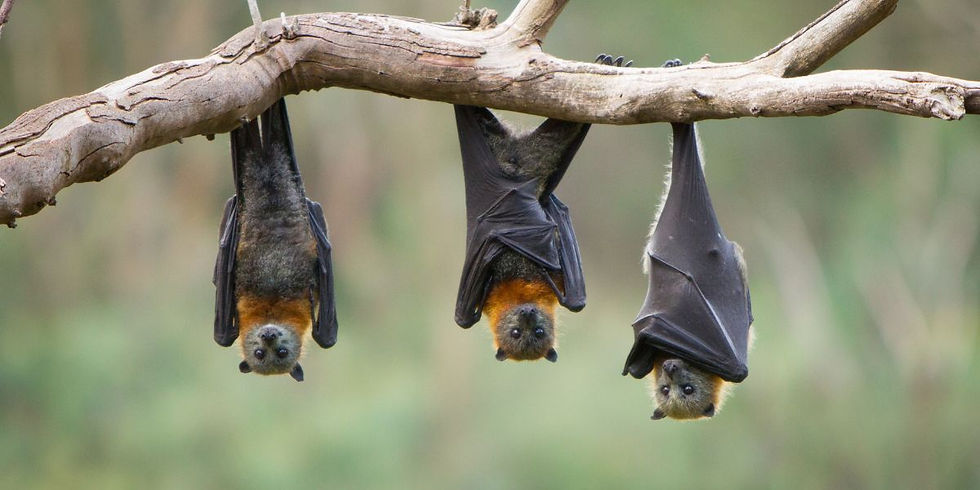
Spring is typically when preliminary bat surveys are carried out. These inspections look for evidence of bats in buildings, trees, and other structures that could be affected by work.
If we identify potential roosting features or bat evidence, we may need to conduct further activity surveys later in the active season. Early assessment is important because all UK bat species are legally protected. Understanding whether bats may be present helps prevent delays later in the planning process.
Why Are Great Crested Newt Surveys Completed in Spring?
Great crested newt surveys usually begin in Spring because this is when they return to ponds to breed. Survey work normally takes place between March and June when they are most detectable.
These surveys are commonly required where ponds or suitable terrestrial habitat are located near development sites. Because great crested newts are a European protected species, surveys are essential to determine whether mitigation or licensing is required. Conducting early surveys ensures that planning applications receive the appropriate ecological information.
When Are Breeding Bird Surveys Needed?
Spring is the main bird breeding season, making it the most appropriate time to carry out breeding bird checks. These surveys help confirm whether nesting birds are present before vegetation clearance, tree work or demolition takes place.
All wild nesting birds are protected under UK law. Identifying nesting activity ensures work can be timed appropriately to avoid disruption. These surveys are particularly important on sites with mature trees, hedgerows or buildings that may provide nesting opportunities.
When Should Badger Surveys Be Completed?
Spring is a good time to carry out badger surveys because badger activity increases following Winter. Surveys typically involve checking for sets, tracks and other field signs within or near development areas.
Badgers and their setts are legally protected, meaning surveys are often required before work begins. Identifying badger activity early allows suitable buffers or mitigation measures to be planned.
Why Are Water Vole Surveys Important in Spring?
Water vole surveys often begin in Spring when vegetation starts to grow along waterways and field signs become easier to identify. Surveys look for burrows, feed remains, and droppings along riversides, ditches, and ponds.
Water voles are a protected species due to significant population decline across the UK. If they are present on a site, appropriate protection measures must be considered before works affecting waterways can proceed. Early survey work helps avoid unexpected ecological constraints later in a project.
What Happens If You Miss The Spring Survey Season?
Missing seasonal survey windows can create significant project delays. Some protected species surveys cannot be completed outside of specific months, which may mean waiting until the following survey season.
This is why it is important to seek ecological advice as early as possible. A preliminary ecological appraisal can identify which protected species surveys are needed and when they should be completed. Planning reduces risk and helps keep projects on schedule.
How Can You Arrange Professional Spring Wildlife Surveys?
If you are planning development or land management works, arranging ecological surveys is essential. Spring provides an important opportunity to complete protected species surveys and gather the ecological data needed to support planning.
Elite Ecology provides professional surveys for bats, reptiles, wonderful crested newts, birds, badgers and water voles. Our experienced team provides clear reports, practical recommendations and ongoing support to help you meet planning and environmental requirements.
If you need ecological advice or would like to arrange a Spring wildlife survey, contacting a specialist early can help you avoid delays and ensure your project progresses smoothly.


Comments